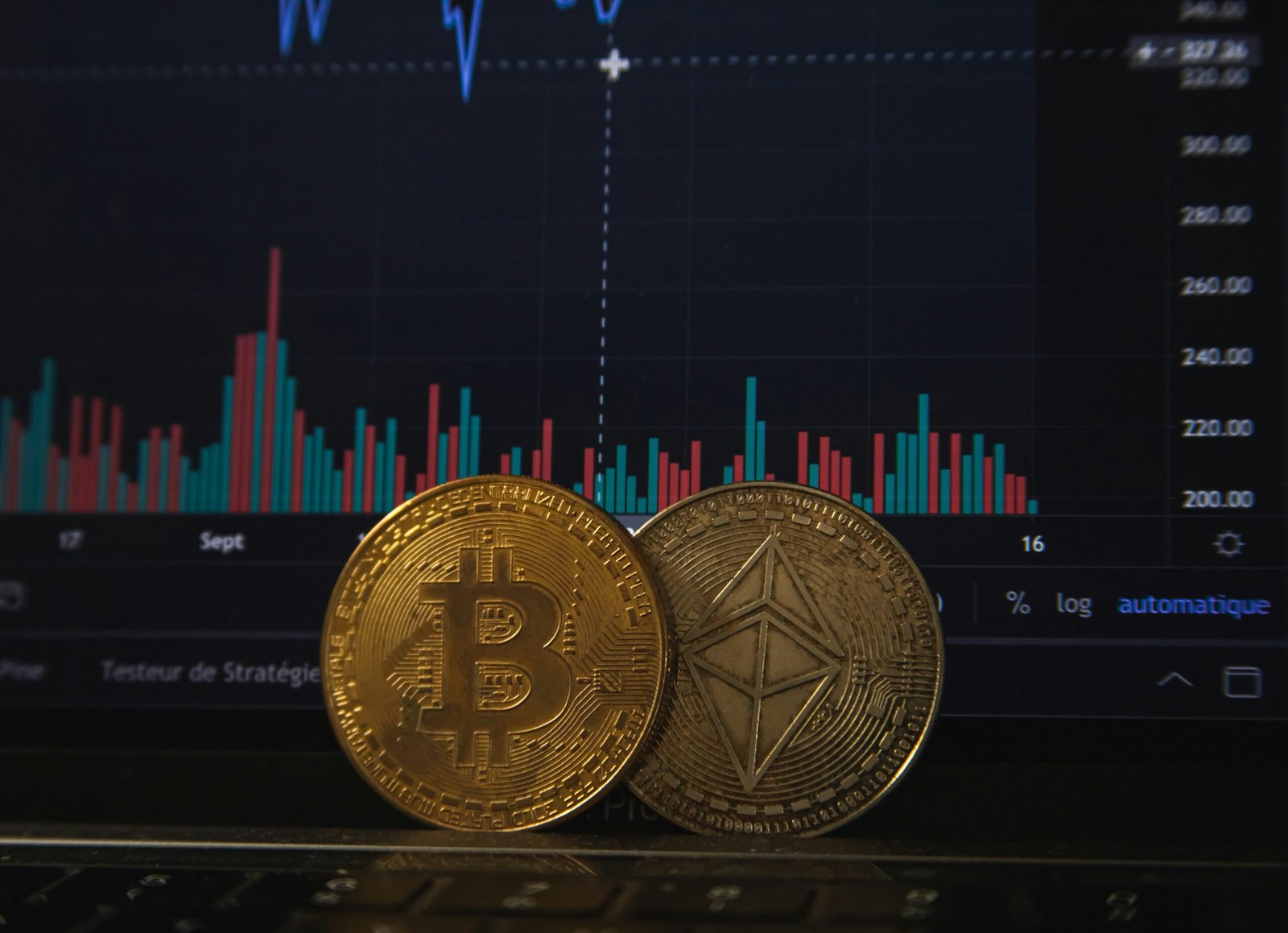
Introduction – Blockchain Beyond Bitcoin
Blockchain technology, once synonymous with Bitcoin, has evolved dramatically. By 2025, it is powering industries far beyond cryptocurrency, creating transparency, security, and decentralization across finance, healthcare, logistics, governance, and even creative industries.
At its core, blockchain is a distributed, immutable ledger that allows parties to record transactions securely and transparently without intermediaries. This technology promises to reduce fraud, enhance efficiency, and empower trust in a digital-first world.
According to Gartner, by 2025, over 50% of global enterprises will use blockchain in at least one business process, making it a central pillar of the modern economy.
1. Understanding Blockchain – The Fundamentals
1.1. What is Blockchain?
A blockchain is a chain of blocks, each containing a batch of verified transactions. Each block is cryptographically linked to the previous one, making it immutable and tamper-proof.
1.2. Key Features
- Decentralization: No central authority controls the ledger.
- Transparency: All participants can verify transactions.
- Security: Cryptography protects against unauthorized changes.
- Smart Contracts: Self-executing contracts coded on the blockchain.
1.3. Types of Blockchains
- Public Blockchains: Open to anyone (e.g., Bitcoin, Ethereum)
- Private Blockchains: Restricted access, often for enterprises
- Consortium Blockchains: Controlled by a group of organizations
2. Blockchain Evolution – From 2008 to 2025
2.1. Early Beginnings
- 2008: Bitcoin whitepaper introduces blockchain.
- 2010–2015: Blockchain adoption limited to cryptocurrencies and small startups.
2.2. Enterprise Adoption (2016–2020)
- Hyperledger, R3 Corda, and other enterprise blockchains emerged.
- Banks, supply chain companies, and logistics firms began testing blockchain for efficiency and transparency.
2.3. Mainstream Integration (2021–2025)
- Smart contracts automate legal agreements.
- Governments experiment with blockchain for digital identity and voting systems.
- NFTs and decentralized finance (DeFi) expand blockchain’s reach into creative and financial sectors.
3. Blockchain in Finance and DeFi
3.1. Beyond Cryptocurrency
Blockchain powers digital banking, cross-border payments, and asset tokenization.
3.2. Decentralized Finance (DeFi)
DeFi platforms allow users to lend, borrow, and trade assets without intermediaries, improving efficiency and lowering costs.
3.3. Cross-Border Payments
Blockchain reduces international transaction times from days to minutes, with lower fees and increased transparency.
3.4. Fraud Prevention
Immutable ledgers reduce fraud and money laundering risks, ensuring safer financial ecosystems.
4. Blockchain in Supply Chain and Logistics
4.1. Tracking and Traceability
Blockchain enables end-to-end product tracking, from raw materials to delivery.
Companies like Walmart and Maersk use blockchain to monitor shipments and prevent counterfeiting.
4.2. Smart Contracts
Automatic execution of contracts streamlines procurement, reducing delays and disputes.
4.3. Sustainability Verification
Blockchain verifies ethical sourcing and environmental compliance, helping consumers make informed decisions.
5. Blockchain in Healthcare
5.1. Secure Medical Records
Patients’ medical histories can be stored on private blockchains, ensuring privacy and tamper-proof access.
5.2. Pharmaceutical Supply Chains
Blockchain tracks drugs from manufacturer to pharmacy, preventing counterfeit medications.
5.3. Research and Clinical Trials
Immutable records streamline clinical trial data management and enhance transparency in drug approval.
6. Blockchain in Governance and Public Sector
6.1. Digital Identity
Blockchain-based identity systems allow secure, verifiable online identities for citizens, reducing fraud.
6.2. Transparent Voting
Governments experiment with blockchain for secure and auditable digital voting, improving trust in elections.
6.3. Public Records
Property, land registry, and government documents stored on blockchain are immutable and transparent, reducing corruption.
7. Blockchain in Energy and Sustainability
7.1. Energy Trading
Peer-to-peer energy trading using blockchain allows consumers to buy and sell excess solar or renewable energy efficiently.
7.2. Carbon Credits
Blockchain tracks carbon credits transparently, promoting accountable environmental practices.
7.3. Smart Grids
Blockchain-integrated smart grids optimize energy distribution and consumption in real-time.
8. Blockchain in Creative Industries and Web3
8.1. NFTs and Digital Ownership
Non-fungible tokens (NFTs) create provable ownership of digital art, music, and media.
8.2. Royalty and Licensing
Smart contracts automatically distribute royalties to artists, creators, and collaborators.
8.3. Decentralized Social Platforms
Blockchain enables user-owned social networks, giving users control over data and content.
9. Challenges and Limitations
9.1. Scalability
Blockchain networks often face transaction speed and energy efficiency issues, though Layer 2 solutions and Proof-of-Stake reduce this.
9.2. Regulation
Global regulatory uncertainty can slow adoption, especially in finance and healthcare.
9.3. Interoperability
Different blockchain systems need standardized protocols for cross-chain communication.
9.4. Energy Consumption
Proof-of-Work blockchains consume significant energy, pushing the industry toward green alternatives.
10. The Future – Blockchain Beyond 2025
By 2030, blockchain is expected to:
- Power fully decentralized financial systems
- Enable trustless governance and public services
- Revolutionize supply chains and logistics with real-time verification
- Integrate with AI, IoT, and 5G/6G networks for smarter ecosystems
Blockchain is no longer just about cryptocurrency — it is the backbone of a decentralized, transparent digital world.
Conclusion – The Distributed Future
By 2025, blockchain is transforming industries, governments, and societies.
It ensures security, transparency, and efficiency, creating systems where trust is embedded in technology rather than intermediaries.
🔗 The blockchain revolution goes beyond coins — it is building a fairer, smarter, and more connected world.