Introduction
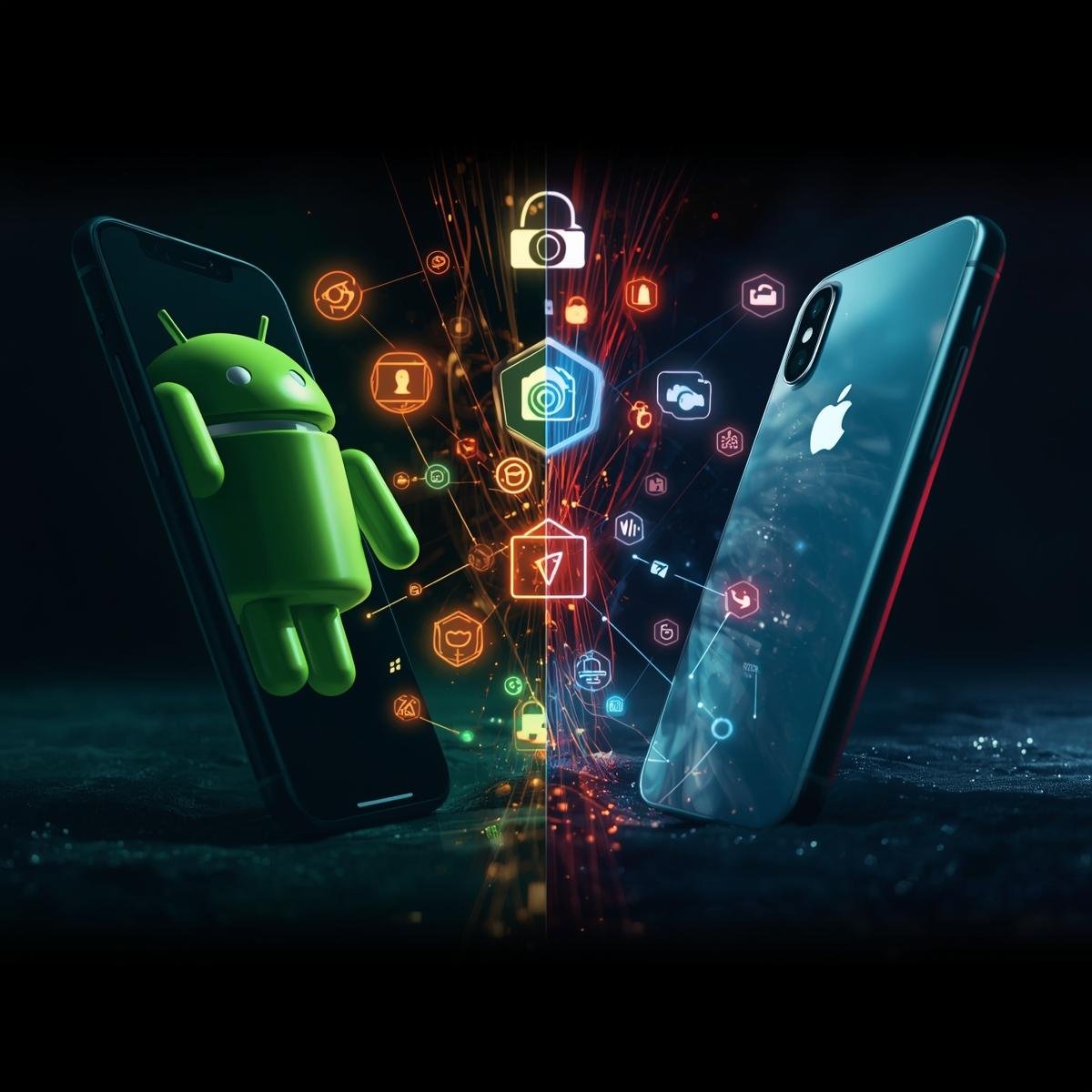
Android and iPhone are the two dominant smartphone platforms. Both offer features that help users communicate, work, and access information. Choosing between them depends on user needs, preferences, and priorities.
This article provides a detailed comparison between Android and iPhone devices. It covers operating systems, hardware, performance, security, app ecosystems, and more.
Operating Systems
The primary difference between Android and iPhone is the operating system.
Android
- Developed by Google
- Open-source system
- Supports multiple manufacturers (Samsung, Google, OnePlus, etc.)
- Allows interface customization
- Supports various file types and sharing methods
iOS (iPhone)
- Developed by Apple
- Closed system
- Only available on iPhone devices
- Standardized interface
- Limited file management compared to Android
Updates
- Android updates depend on manufacturer and model
- iOS updates roll out simultaneously for supported iPhone models
Hardware Differences
Android Devices
- Manufactured by multiple companies
- Wide range of prices and models
- Hardware varies in quality and design
- Different screen sizes, cameras, and battery capacities
iPhone Devices
- Designed and manufactured by Apple
- Standardized quality and design
- Limited model variations
- Typically fewer screen sizes and hardware options
User Interface
Android
- Flexible home screens with widgets
- Multiple navigation methods (gestures, buttons)
- Custom launchers available
iPhone
- Fixed home screen layout
- Simple gesture-based navigation
- Consistent experience across devices
App Store and Ecosystem
Android
- Google Play Store is main source of apps
- Supports sideloading apps from other sources
- Wider range of free apps
- Apps may vary in quality
iPhone
- App Store only source of apps
- Curated apps meet strict guidelines
- Security and stability are priorities
- Apps often release first on iOS
Performance
Android
- Uses various processors depending on manufacturer
- RAM and storage vary across devices
- Performance can range from basic to high-end
iPhone
- Uses Apple-designed processors (e.g., A-series chips)
- Optimized with iOS for efficiency
- Consistent performance across models
Battery and Charging
Android
- Battery size varies by model
- Many devices support fast and wireless charging
- Power-saving modes are common
iPhone
- Battery size smaller than some Android devices
- Fast charging available with compatible adapters
- Optimized battery management in iOS
Camera Capabilities
Android
- Multiple lenses in high-end models
- Customizable settings
- AI-assisted features for lighting and color
- Video recording features vary
iPhone
- Consistent camera quality across models
- Integrated software processing
- AI assists with focus, exposure, and image stabilization
- Video quality is generally standardized
Security Features
Android
- Biometric authentication varies (fingerprint, face recognition)
- Regular updates may depend on device manufacturer
- Supports device encryption and app permission controls
iPhone
- Biometric authentication standard (Face ID, Touch ID)
- Frequent iOS updates for all supported devices
- Strong app and data security measures
Customization
Android
- Highly customizable home screens, widgets, and icons
- Supports third-party apps for themes and layouts
- Allows installation of custom ROMs
iPhone
- Limited customization options
- Uniform user interface across devices
- Focused on consistency and simplicity
Connectivity and Compatibility
Android
- Supports USB-C, microUSB, wireless charging
- Compatible with a wide range of accessories
- Supports multiple external devices
iPhone
- Uses Lightning or USB-C depending on model
- Works best with Apple ecosystem devices (AirPods, MacBook, Apple Watch)
- Limited third-party accessory support outside ecosystem
Software Features
Android
- Multi-tasking with split screens
- File management through file explorer
- Notifications can be customized per app
iPhone
- Focus mode controls notifications
- Files app supports basic management
- Continuity allows integration with Mac, iPad, Apple Watch
Price and Availability
Android
- Wide price range from budget to premium
- More options in different regions
- Older models remain available longer
iPhone
- Premium pricing for all models
- Limited number of new models each year
- Older models may be discontinued sooner
Updates and Longevity
Android
- Software updates depend on manufacturer
- Some devices receive updates for 2–4 years
- Hardware may remain functional longer
iPhone
- Regular iOS updates for 5–6 years
- Older devices remain compatible with new software
- Strong longevity of ecosystem integration
Pros and Cons Summary
Android Advantages
- More hardware choices
- Greater customization
- Wider price range
- File sharing and app flexibility
iPhone Advantages
- Standardized performance
- Regular software updates
- Strong security
- Integration with Apple ecosystem
Choosing Between Android and iPhone
Consider these factors:
- Budget
- Need for customization
- Importance of security
- App availability
- Ecosystem preference (Apple or other devices)
Both platforms serve communication, work, and entertainment needs effectively. The choice depends on personal requirements.
Conclusion
Android and iPhone devices have distinct strengths and weaknesses. Android offers flexibility, variety, and customization. iPhone provides consistent performance, security, and tight integration with Apple products. Understanding the differences helps users select the device that fits daily use, work requirements, and personal preference.
Technology evolves quickly, so keeping track of features, updates, and new models ensures informed choices when purchasing a smartphone.